
After independence, India's focus was on industrial development. In the 1950s, Industrial Training Institutes (ITIs) were established, aiming to produce technical manpower for factories. In 1961, the Apprenticeship Act was passed to provide a legal framework for practical training within industries. At the beginning of the 21st century, it was realized that academic degrees alone were not enough. 2008: The National Skill Development Corporation (NSDC) was formed as a public-private partnership (PPP) to involve the private sector in skill development. 2009: India's first National Skill Development Policy was formulated, aiming to train 500 million people by 2022. In line with this, the Chanakya Jan Utthan Foundation has been continuously working to connect unemployed educated youth from rural backgrounds with digital literacy. So far, thousands of young men and women have been made digitally literate, bringing about significant changes in their lives.

Need for Skill India Initiative
On July 15, 2015, Prime Minister Narendra Modi officially launched the 'Skill India Mission', which proved to be a historic turning point: Ministry of Skill Development and Entrepreneurship (MSDE): For the first time in history, a dedicated ministry was created for skill development. PMKVY: The Pradhan Mantri Kaushal Vikas Yojana (PMKVY) has extended short-term training and skill certification to the rural level. Today, traditional skills are being combined with modern technologies (AI, robotics). PMKVY 4.0: This has been integrated with the New Education Policy (NEP 2020) to bridge the gap between school education and vocational training. Skill India Digital: The digital infrastructure has expanded, making online learning and career counseling more accessible to young people.

Special Skill Development Training for Persons with Disabilities
With the 'Skill India Mission', the Indian government aims to develop practical skills that the industry needs and thus improve the employment rate in the country.
Since implementation, the mission has helped boost employment. According to data from the Centre for Monitoring Indian Economy (CMIE), the unemployment rate declined to 6.5% in January 2021 from 9.1% in December 2020, while the employment rate increased from 36.9% in December 2020 to 37.9% in January 2021.
There was a time when disability was seen as a burden on society. But in the history of modern India, there have been many heroes who have changed this perception. Imagine Deepa Malik, who, despite being paralyzed below the waist, made history by winning a medal at the Paralympics. Or Arunima Sinha, who, even after losing a leg, hoisted the tricolor flag on Mount Everest, the world's highest peak. Their victory was not just their own, but also a victory for millions of Indians who underestimated themselves. In the 2024 and 2025 Paralympic Games, Indian athletes proved with their record-breaking medal wins that true strength lies not in the body, but in determination. Government Support: A New Dawn: In this journey, the Indian government has also emerged as a strong partner. The government has taken several important steps for the empowerment of persons with disabilities: Equal Rights and Laws: The 'Rights of Persons with Disabilities Act, 2016' provided legal protection to the rights of persons with disabilities. It increased the reservation in government jobs from 3% to 4% and in educational institutions to 5%. Accessible India Campaign: Public places, schools, and government offices are being made 'barrier-free' (with ramps, Braille signage) so that persons with disabilities can move around with dignity. Unique ID (UDID): A unique identity card is issued to persons with disabilities through the Swavalamban portal, enabling them to easily avail of government schemes across the country. Financial Assistance and Education: The Uttarakhand government and the Chanakya Jan Utthan Foundation are running special scholarships and skill development programs for disabled students so that they can become self-reliant.


Conclusion
India is often called a "young country," and its youth can be a major force today. The country should provide its young people with specialized training, not only for the domestic economy but also for the global market.
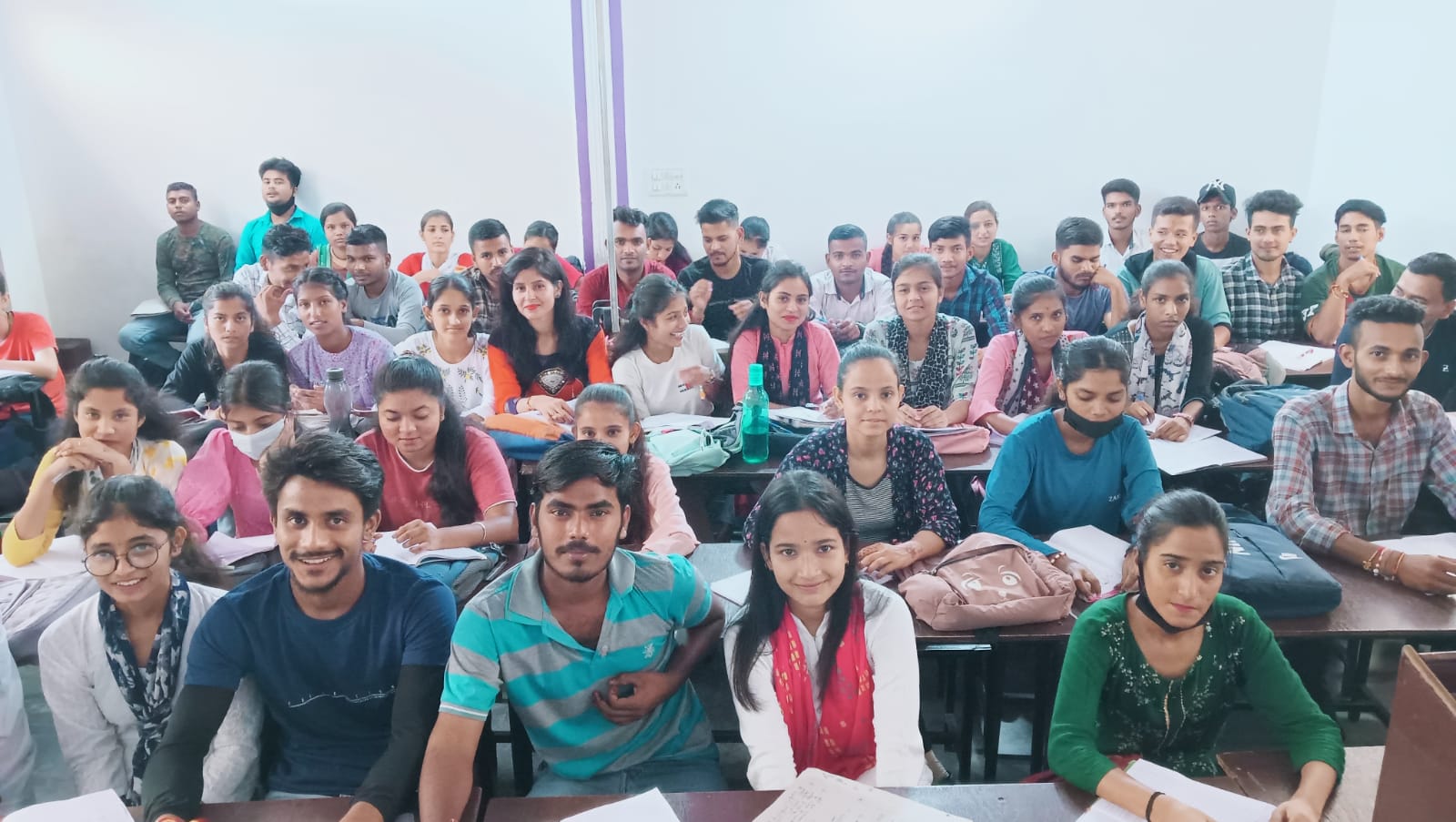
This can help India become a global skills capital. To further this mission, the Chanakya Jan Utthan Foundation, in collaboration with various organizations, is conducting various skill development and placement programs. The foundation believes that empowering women, in particular, by making them employable, can empower entire families. Through collaborations with the Skill Development and Livelihood Mission, Pradhan Mantri Kaushal Vikas Yojana (PMKVY), Jeevika Avsar Protsahan Yojana, and the Chief Minister's Hunar Yojana (Uttarakhand Government), numerous young people are receiving training. Skill development courses with job guarantees are being offered to young men and women. These programs are making women and unemployed individuals economically self-reliant.

A- Computer Training Center, Mobile Repairing, Tuition Point
All the members of our team love working with children who beg and scavenge for garbage. Through our collective efforts, we have identified many such children and enrolled them in school, and seeing them, other children have also started attending school. After school, all these children come to our Keshavpuri and Doiwal centers for tutoring, after which they are taught computer skills, which they thoroughly enjoy. Children who attend our Doiwal center and receive basic computer and mobile repair training are given a certificate by our organization, which helps them easily secure white-collar jobs. In addition, this training is provided to students from underprivileged backgrounds in the area. So far, thousands of beneficiaries have received this training.



B- Sewing/embroidery & beauty parlour enter
The foundation identifies unemployed and illiterate women and, after understanding their needs, determines how they can be trained and provided with a better life. Over the past 15 years, many unemployed and illiterate women have been given a foundation for a better life. Through various government schemes such as the Chief Minister's Skill Development Scheme and the Livelihood Opportunity Promotion Scheme, the foundation provides training in sewing, embroidery, and mehndi (henna art) to many women, enabling them to lead fulfilling lives. This has also become a source of inspiration for other women.

